






Dehydrated Skin? Signs, Causes and the Best Products to Fix It
Dehydrated skin is skin that lacks water, rather than oil. It can feel tight and look dull, with fine lines that appear more noticeable, and it affects every skin type, including oily skin. The good news is that it is usually simple to put right with gentle, hydrating care. Below you will find the signs to look for, what causes it, and the best products to help, including our skincare for dehydration edit.
Dehydration is one of the most common skin concerns, and one of the most misunderstood. Because it is a lack of water rather than oil, even oily and combination skin can feel dehydrated. Once you know how to recognise it, it becomes much easier to care for, and most people see their skin feel calmer and look brighter within a week or two. Here is everything you need to know.
What Is Dehydrated Skin?
Dehydrated skin simply does not hold enough water in its upper layers. When that happens, the skin cannot function at its best, so it can feel tight and rough and look flat or tired. It is a temporary condition rather than a skin type, which means the right routine can restore comfort and glow fairly quickly. Think of it as your skin being thirsty rather than permanently dry.
Dehydrated Skin vs Dry Skin: What Is the Difference?
It is easy to confuse the two, but they are not the same. Dry skin is a skin type that lacks oil, and it tends to stay dry all over, all the time, often feeling flaky or rough. Dehydrated skin is a condition that lacks water, and it can affect anyone, including oily skin. You might have skin that feels oily on the surface yet tight and dull underneath, which is a classic sign of dehydration. Understanding which one you are dealing with helps you choose the right products, as dry skin needs nourishing oils while dehydrated skin needs water-based hydration.
Why Does the Skin Barrier Matter?
Your skin has a natural protective layer, often called the skin barrier, that keeps water in and irritants out. When this barrier is weakened, by harsh products, over-exfoliating or the weather, water escapes more easily and dehydration sets in. Caring for dehydrated skin is really about supporting this barrier, so it can hold on to moisture again. That means being gentle, avoiding anything stripping, and giving the skin the hydration and comfort it needs to recover.
What Are the Signs of Dehydrated Skin?
Dehydrated skin often shows a few of these signs together. Recognising them early makes it easier to put right.
- A tight, uncomfortable feeling, especially just after cleansing.
- A dull, tired looking complexion that has lost its natural glow.
- Fine lines and creases that look more noticeable than usual.
- Skin that feels oily on top but tight and thirsty beneath.
- More sensitivity, redness, or the occasional breakout.
A simple way to check at home is the gentle pinch test. Lightly pinch a small area of your cheek. If the skin takes a moment to settle back rather than bouncing straight back, it may be lacking water.
What Causes Dehydrated Skin?
Dehydration usually comes from a mix of everyday factors rather than one cause. Weather, central heating and air conditioning all draw moisture from the skin, as do long hot showers and harsh, stripping cleansers. Not drinking enough water, tiredness, caffeine, alcohol and over-exfoliating can all play a part too. Even a lovely routine can cause dehydration if it leans too heavily on strong acids or foaming washes. The reassuring news is that most of these are easy to adjust once you know to look for them.
The Best Products to Fix Dehydrated Skin
1. Swap to a gentle cleanser

Harsh cleansers strip the skin and make dehydration worse. A soft, comforting option such as the Rest Day Cleansing Milk cleanses without leaving skin tight, which is the perfect first step. Use lukewarm rather than hot water, and avoid over-washing, as once a day is often enough for very dehydrated skin in the morning.
2. Add a hydrating serum

A water-loving serum is the heart of any hydrating routine. The Isotonic Hydra Serum delivers a deep drink of moisture to plump and soften the skin. Press it in after cleansing, onto slightly damp skin, as this helps the hydration absorb and locks it in more effectively.
3. Refresh with a hydrating mist

A mist is a lovely way to top up hydration through the day. The Daily Defence Moisture Mist refreshes the skin and helps it feel comfortable, at your desk, on a flight or after time in air conditioning. Keep one to hand and spritz whenever your skin feels tight.
4. Treat with a hydrating mask

Once or twice a week, a hydrating mask gives thirsty skin a deeper boost. The Intense Hydrating Mask floods the skin with moisture and leaves it soft, plump and soothed. It is a lovely weekly ritual, and a welcome rescue after travel, sun or cold weather.
5. Seal it in with moisturiser

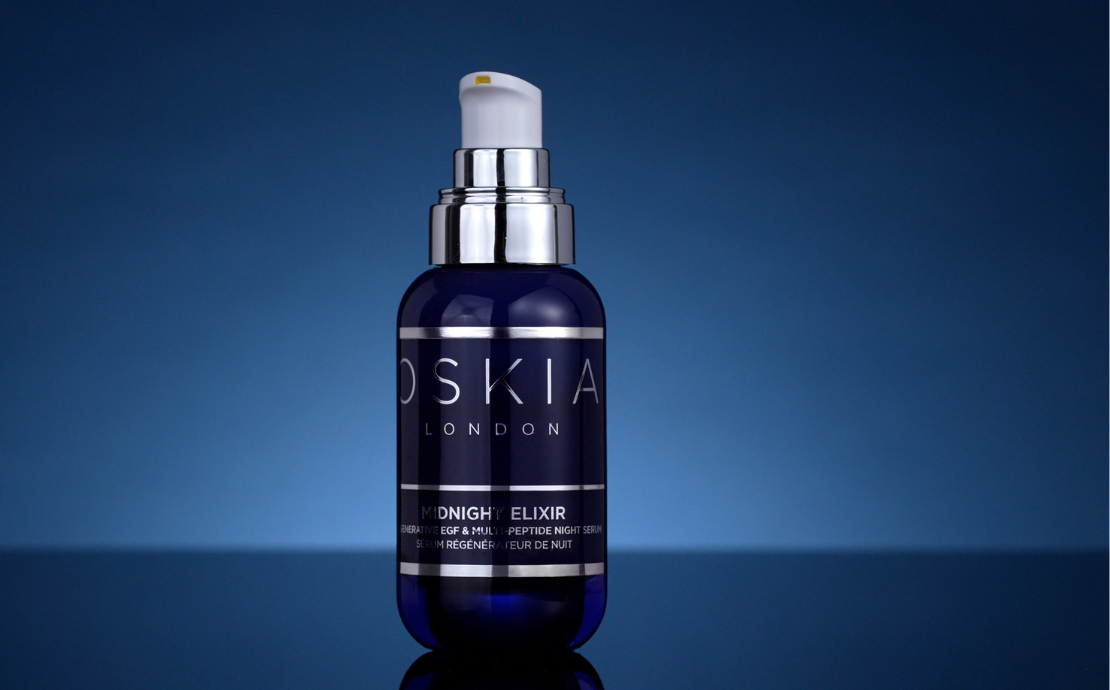
Finish by locking everything in. The OSKIA Nutri-Active Day Cream hydrates and supports the skin barrier without feeling heavy, so moisture stays where it belongs. Apply it while your skin is still slightly damp for the best results, morning and evening.
A Simple Hydrating Routine, Morning and Evening
In the morning, cleanse gently, press in your hydrating serum, apply moisturiser and finish with sunscreen. Through the day, refresh with a mist whenever your skin feels tight. In the evening, cleanse, use your serum, and seal everything in with moisturiser, adding your hydrating mask once or twice a week. Keep the routine gentle and consistent, and your skin will steadily regain its comfort and glow.
How to Prevent Dehydrated Skin
A few gentle habits keep dehydration at bay. Cleanse with lukewarm rather than hot water, and avoid over-washing. Drink water through the day and eat plenty of fresh, water-rich foods. Ease off strong exfoliating acids if your skin feels tight, and always finish your routine with a moisturiser and daily sunscreen. If your home is warm and dry, a bowl of water near a radiator or a humidifier can help too. Small, consistent care makes all the difference.
Which Ingredients Help Dehydrated Skin?
A few gentle ingredients do the heavy lifting for dehydrated skin. Humectants draw water into the skin and help it stay there, which is why hydrating serums and mists feel so soothing. Soothing plant extracts calm any tightness or redness, while a light moisturiser seals it all in. The aim is water first, then a gentle seal on top, so the hydration you add does not simply evaporate away.
Frequently Asked Questions
How do I know if my skin is dehydrated or dry?
Dry skin lacks oil and tends to feel dry all over, all the time. Dehydrated skin lacks water and can affect any skin type, often feeling tight or dull even when the surface looks oily. The pinch test can help, as dehydrated skin is slower to settle back.
Can oily skin be dehydrated?
Yes. Dehydration is about water, not oil, so oily and combination skin can absolutely be dehydrated. It often feels oily on the surface yet tight underneath, and stripping it further only makes matters worse.
How long does it take to fix dehydrated skin?
With gentle, hydrating care, many people notice a difference within a week or two. Consistency is what keeps skin comfortable and glowing over time.
Does drinking water help dehydrated skin?
Drinking water supports your skin, but it is not enough on its own. You also need hydrating skincare to help your skin hold on to moisture at the surface.
Should I still moisturise if my skin is oily and dehydrated?
Yes. Skipping moisturiser can make dehydration worse. Choose a lighter, hydrating formula and apply it morning and evening.


