






Serum vs Face Oil: Which Comes First and Which Do You Need?
Serum vs face oil is less a contest than a question of jobs. A serum is a light, concentrated treatment that targets a specific concern, such as dehydration, dullness or breakouts, while a face oil softens the skin and helps hold moisture in. If you use both, apply serum first and oil second, working from the thinnest texture to the thickest.
Most skin types can use both, but you do not have to. Below we compare the two side by side, explain which suits dry, oily, combination, sensitive and dehydrated skin, and share the serums and oils we rate from our face serums and facial oils edit.
Serum vs Face Oil: The Key Differences
The simplest way to think about serum vs face oil: a serum treats, an oil comforts and seals. Here is how they compare at a glance.
| Serum | Face oil | |
|---|---|---|
| Texture | Light, watery, gel or milky; sinks in fast | Silky to rich; sits on the skin a little longer |
| What it does | Delivers concentrated ingredients aimed at one or two concerns | Softens, nourishes and helps reduce moisture loss |
| Best for | Dehydration, dullness, uneven tone, breakouts, fine lines | Dry, tight or tired-looking skin that wants comfort and glow |
| When to apply | After cleansing and toning, before moisturiser | After serum, as the last step at night or before SPF by day |
| How much | A few drops or one pump | Two to three drops, pressed in |
What Is a Face Serum?
A face serum is a lightweight treatment with a high concentration of active ingredients. Most are water-based, so they absorb quickly and layer easily under everything else.
Because serums are built around a goal, you choose one by concern: hyaluronic acid for hydration, vitamin C for brightness, salicylic acid for congestion, or peptides and retinol alternatives for fine lines. Our skincare serums for every concern are a good place to start.
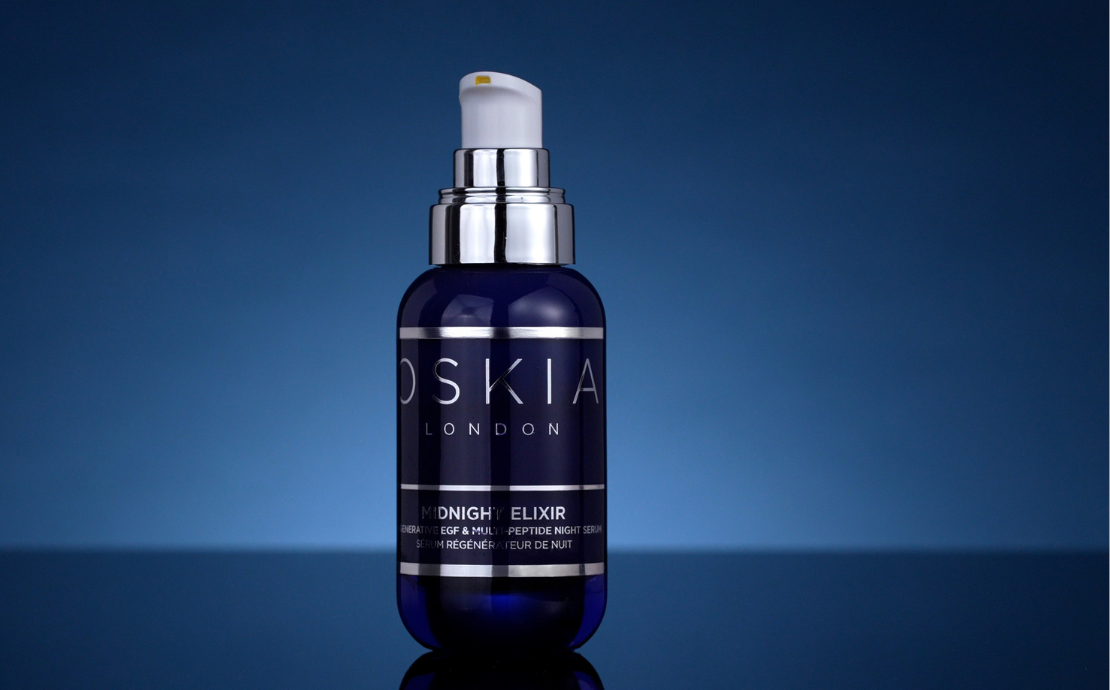
Some serums even add a touch of colour. If that appeals, here is why we think OSKIA's Nutri-Bronze tinted serum is worth investing in.
What Is a Face Oil?
A face oil is a blend of plant oils, such as rosehip, avocado or jojoba, sometimes with added botanical extracts. These oils are rich in the fatty acids that help keep skin soft and supple.
What does face oil do day to day? It softens dry patches, adds comfort and helps reduce moisture loss, which is why a face oil for dry skin is often the step that changes how skin feels by evening.
Their main job is to nourish and to help slow the loss of water from the skin's surface, which is why dry and tired-looking complexions love them. A good face oil should feel comfortable rather than greasy once it has settled.
Face Oil or Serum First?
Serum first, then oil. The general rule is to apply skincare from the thinnest texture to the thickest, so lighter, water-based formulas reach the skin before richer ones sit on top.
When to use face oil: at night as your final step, or in the morning under SPF if your skin is dry. How to use face oil: warm two or three drops between your palms and press them over your skin rather than rubbing.
If you put oil on first, it leaves a soft film that can make it harder for a water-based serum to spread and absorb. Here is a simple order to follow:
- Cleanse and, if you use one, tone.
- Serum: press a few drops into slightly damp skin.
- Moisturiser: if your skin needs one.
- Face oil: warm two or three drops between your palms and press over the face and neck.
- SPF: every morning, always as the final step.
Does face oil go on before or after moisturiser? Usually after, but some people prefer oil first, and either order works. The two rules that matter are that serum goes on early and sunscreen goes on last.
Can You Use Serum and Face Oil Together?
Yes, you can use serum and oil together, and they make a good pair. The serum delivers hydration or a targeted treatment, then the oil softens the skin and helps keep that moisture where it belongs.
Think of the serum as a glass of water for your skin and the oil as the lid that stops it evaporating. Short on time? Mix a drop of oil into your moisturiser, but keep the serum as its own first step.
One exception: some serums have an oil base themselves, and these usually replace a separate face oil rather than adding to it. Check the texture and follow the brand's directions.
Which Should You Choose for Your Skin Type?
Dry skin
Dry skin lacks oil, so a face oil is often the step that makes the biggest difference to comfort. Pair it with a hydrating serum underneath for skin that feels soft rather than tight.
Oily skin
Start with a serum. Lightweight, water-based formulas with salicylic acid or niacinamide tend to suit oily skin best. Should oily skin use face oil? It does not have to avoid oils completely: a drop of a light, fast-absorbing oil can still feel comfortable at night.
Combination skin
Use a light serum all over, then press oil only onto the drier areas, usually the cheeks. Our combination skin care routine guide explains how to treat each zone, or browse our skincare for combination skin.
Sensitive skin
Keep things simple with one soothing serum and a short ingredient list. Patch test any new oil on a small area first, as fragranced blends and essential oils can be too much for reactive skin.
Dehydrated skin
Dehydrated skin lacks water rather than oil, so a hydrating serum comes first. A few drops of oil on top then help lock that hydration in. Our guide to the signs and causes of dehydrated skin explains more, or shop our products for dehydrated skin.
4 Face Serums We Rate
Four serums from our edit, each chosen for a different skin need.
1. Irene Forte Triple Level Hyaluronic Serum
A hydrating serum for skin that feels tight or looks flat. The Irene Forte Triple Level Hyaluronic Serum is designed to plump the skin straight away and help it hold on to moisture for longer.
Key ingredients: a triple-weight hyaluronic acid complex, including an ultra-low molecular weight form that the brand says absorbs rapidly. How to use: press into damp skin after cleansing, morning and evening, before oil or moisturiser.
2. OSKIA Renaissance Brightlight Serum

A daily serum for dark spots, uneven tone and fine lines, and a good choice if dullness is your main concern. OSKIA Renaissance Brightlight is built around 13 bio-available actives and nutrients.
Key ingredients: papaya and pumpkin enzymes with gentle fruit acids from passion fruit and grapes for mild exfoliation. How to use: apply after cleansing each day, follow with moisturiser or oil, and wear SPF every morning.
3. Evolve Organic Beauty Salicylic Rescue Serum
A targeted serum for oily, blemish-prone or congested skin that wants clarity without over-drying. The Evolve Salicylic Rescue Serum has a lightweight, fast-absorbing texture.
Key ingredients: willow bark extract, a natural source of salicylic acid, to gently exfoliate and unclog pores, with sea buckthorn oil and organic aloe vera to soothe. How to use: smooth a thin layer over clean skin, then moisturise.
4. Korres Smart Yoghurt Probiotic Super Serum
A cooling daily serum for sensitive or stressed skin that needs comfort as well as hydration. Korres Smart Yoghurt Probiotic Super Serum is designed to strengthen the skin barrier and support the skin's microbiome.
Key ingredients: Real Greek Yoghurt, oat extract and marine algae with pre- and probiotic complexes, plus hyaluronic acid to hydrate and bisabolol and ginger root extract to calm. How to use: apply to clean skin morning and evening, before moisturiser.
4 of the Best Face Oils We Rate
Four face oils for different needs, from deep comfort to a lighter, non-greasy glow.
1. OSKIA Restoration Oil

A lightweight, fast-absorbing facial oil for dry, tired or dull skin that needs comfort and glow. OSKIA Restoration Oil blends high-performance actives with floral oils.
Key ingredients: African Acmella flower extract for firmness and smoothness, echium and heart seed vine to relieve dryness and support the barrier, and turmeric to calm and boost radiance. How to use: press two or three drops over your serum as the last step at night.
2. Antipodes Divine Face Oil
A rich yet easily absorbed oil for dry, undernourished skin that wants comfort without a greasy finish. Antipodes Divine Face Oil is a certified organic blend.
Key ingredients: New Zealand avocado oil to moisturise, rosehip oil rich in essential fatty acids and macadamia oil to soften, with a plant fragrance of ylang ylang, jasmine and sweet orange. How to use: warm a few drops in your palms and press in after serum.
3. Goldfaden MD Fleuressence
A golden facial oil for anyone who finds oils too heavy. Goldfaden MD Fleuressence is lightweight, fast-absorbing and non-greasy, and designed to boost radiance while improving the look of skin balance and tone.
Key features: helps skin feel softer and look plumper, and refines the appearance of lines and pores. That makes it a strong pick for the best facial oil for mature skin in this edit. How to use: press a couple of drops over your serum, focusing on drier areas if your T-zone is oily.
4. Evolve Organic Beauty Rosehip Miracle Oil
A nourishing oil for dry or tired skin, and a good pick if scars, fine lines or uneven tone are on your mind. Evolve Rosehip Miracle Oil is one of the brand's bestsellers.
Key ingredients: organic rosehip oil, a natural source of essential fatty acids and vitamin A, with organic argan oil and antioxidants. How to use: smooth two or three drops over your serum in the evening, or mix one drop into your moisturiser.
Frequently Asked Questions
What is the difference between serum and face oil?
A serum is a lightweight, usually water-based treatment with concentrated ingredients aimed at a specific concern. A face oil is made from plant oils that soften the skin and help hold moisture in. In short, serums treat, while oils nourish and seal.
Is a face oil better than a serum?
Neither is better, because they do different jobs. Choose a serum to target a concern such as dullness or breakouts, and an oil if your skin feels dry or tight. Many people find the answer to serum vs face oil is simply to use both.
Is a serum the same as an oil?
Not usually. Most serums are water-based, although some are made with an oil base and are often called oil serums. If your serum feels oily, it can usually take the place of a separate face oil.
Is a face oil the same as an essential oil?
No. Face oils are mostly made from nourishing plant oils such as rosehip, avocado or jojoba. Essential oils are highly concentrated aromatic extracts used in small amounts, often for scent, and should never be applied neat to the face.
Can I use a face oil instead of moisturiser?
If your skin is dry and feels comfortable with just an oil, yes, especially at night. Oily, combination and dehydrated skin usually do better with a hydrating serum or light moisturiser first, as oil alone does not add water to the skin.
Is hyaluronic acid a serum or face oil?
Hyaluronic acid is an ingredient, and it is almost always sold in a water-based serum. It draws water into the skin, so apply it to damp skin first, then follow with a face oil or moisturiser to keep that hydration in.
Finding Your Serum and Oil Pairing
Start with the step your skin needs most, add the other if it would help, and give any new product a few weeks before you judge it. If you prefer a shorter routine, our minimalist skincare routine with five products shows exactly where a serum fits.
When you are ready, explore our full face serums and facial oils collection to find your perfect match, or browse the wider skincare edit.


