





Pregnancy Safe Skincare: What to Use and What to Avoid
Pregnancy safe skincare means keeping your routine gentle and avoiding a small number of ingredients that are commonly advised against, mainly retinoids, hydroquinone and high-strength salicylic acid peels. Most everyday basics, such as a gentle cleanser, a hydrating serum, a moisturiser and SPF, can usually stay.
Every pregnancy is different, so always check with your GP, midwife or pharmacist if you are unsure about a product. This guide is general information, not medical advice.
Below, we explain how pregnancy can change your skin, what skincare to avoid during pregnancy, and seven products from our pregnancy-safe edit.
How Pregnancy Can Change Your Skin
Hormone changes affect everyone differently. Some people notice a glow, while others find their usual routine suddenly stops working.
-
Dark patches (melasma): darker patches, often on the cheeks, forehead or upper lip, are common in pregnancy. Sunlight makes them more noticeable, and they may fade in the months after birth.
-
Dryness and sensitivity: skin can feel tighter or react to products you have used for years.
-
Breakouts: changing hormones can bring spots, even if you rarely had them before.
-
Stretch marks and itchy skin: stretching skin on the bump, breasts and thighs can feel dry and itchy.
Mild itching is common, and a pharmacist can suggest suitable creams. The NHS suggests using an unperfumed moisturiser regularly and avoiding perfumed soaps and lotions.
Important: if your palms or the soles of your feet are itchy, the itching is worse at night, or it is keeping you awake, contact your maternity unit or midwife straight away. If you cannot reach them, call 111. This can be a sign of a liver condition called intrahepatic cholestasis of pregnancy (ICP).
What Does Pregnancy Safe Skincare Mean in the UK?
There is no official UK certification for pregnancy safe skincare. When a shop or brand uses the term, including in our own edit, it means the products have been chosen to avoid the ingredients most commonly flagged during pregnancy.
That makes the ingredient list your best guide. If you have a skin condition, allergies or a prescription treatment, ask your GP, midwife or pharmacist to look at it with you.
Skincare to Avoid When Pregnant
The list of ingredients commonly advised against is shorter than many people expect. These are the main ones to check on labels.
Retinoids, including retinol
Retinoids are forms of vitamin A. The NHS advises not using retinoid creams if you are pregnant, and that includes prescription acne treatments such as tretinoin and adapalene. Isotretinoin tablets must never be taken during pregnancy.
Many over-the-counter serums and night creams contain retinol or retinyl palmitate, so check ingredient lists and ask a pharmacist if you are unsure.
Hydroquinone
Hydroquinone is a skin-lightening ingredient that is only available on prescription in the UK. It is generally avoided during pregnancy, including for pregnancy-related dark patches.
High-strength salicylic acid peels
Strong salicylic acid peels are commonly advised against in pregnancy. Lower-strength salicylic acid in a wash-off cleanser is more of a grey area, and advice varies, so ask your pharmacist or GP before using it.
Some essential oils
Some essential oils are commonly flagged in pregnancy, particularly in concentrated aromatherapy oils. Many people also find their sense of smell changes. If you use aromatherapy oils or heavily scented products, check with your midwife or pharmacist first.
For a longer list, read our guide to ingredients to avoid as a mother-to-be.
Ingredients to Avoid During Pregnancy: Quick Guide
|
Ingredient |
Where you may find it |
What to do |
|---|---|---|
|
Retinoids (retinol, retinyl palmitate, tretinoin, adapalene) |
Anti-ageing serums, night creams, acne treatments |
Avoid during pregnancy |
|
Hydroquinone |
Prescription skin-lightening creams |
Avoid during pregnancy |
|
High-strength salicylic acid |
Professional and at-home peels |
Avoid strong peels; ask about low-strength cleansers |
|
Some essential oils |
Aromatherapy oils, scented body products |
Check with your midwife or pharmacist |
Ingredients Generally Considered Gentle Choices
Many hydrating and soothing ingredients are generally considered gentle options in pregnancy. These include hyaluronic acid, glycerin, ceramides, squalane, shea butter and plant oils.
If you are looking for a pregnancy safe sunscreen in the UK, mineral filters, zinc oxide and titanium dioxide, are a popular choice if skin feels more sensitive. If you want to keep using other actives, such as niacinamide or vitamin C, check with your pharmacist first.
Whatever you use, patch test new products, as pregnancy can make skin more reactive.
Caring for Common Pregnancy Skin Concerns
Dark patches
Wear a broad-spectrum SPF 30 or higher every day, add a wide-brimmed hat in strong sun and seek shade at midday. Speak to your GP if patches worry you or have not faded after your baby is born.
Dry or itchy skin
Keep showers short and warm rather than hot, and apply an unperfumed moisturiser while skin is still damp. Loose cotton clothing can help too.
Breakouts
Cleanse gently twice a day and avoid picking. Ask your pharmacist or GP before using any acne treatment, as some are not suitable in pregnancy.
Sensitive skin
Use fewer products, choose fragrance-free formulas where you can and patch test anything new on a small area first.
A Simple Pregnancy Skincare Routine
A pared-back routine is easier to keep up when you are tired, and it gives sensitive skin less to react to.
Morning
-
Cleanse with a gentle, non-stripping cleanser.
-
Apply a hydrating serum to slightly damp skin.
-
Moisturise with an unperfumed, pregnancy safe moisturiser.
-
Finish with a broad-spectrum SPF 30 or higher.
Evening
-
Cleanse to remove SPF and make-up.
-
Apply your hydrating serum.
-
Moisturise, using a slightly richer texture if skin feels dry.
Body: moisturise the bump, breasts, hips and thighs daily after bathing. Our guide to the best body moisturiser for dry skin compares lotions, butters and oils.
7 Pregnancy Safe Skincare Picks From Our Edit
These products all come from our pregnancy safe skincare edit and related pregnancy-safe body and hair care collections. We describe them only from the brands' own descriptions.
Ingredients and sensitivities are personal, so show the ingredient list to your midwife or pharmacist if you have any doubts.
1. Evolve Organic Beauty Gentle Cleansing Melt
A comforting balm-to-milk cleanser that the brand describes as ideal for sensitive skin. It melts away make-up and impurities while supporting the skin barrier.
Squalane nourishes and softens, and prebiotic actives help balance the skin microbiome. Massage Evolve Gentle Cleansing Melt over dry skin, add water to turn it milky, then rinse.
2. Evolve Organic Beauty Hyaluronic Serum 200
A lightweight hydrating serum for anyone whose skin feels tight or dehydrated, suitable for all skin types according to the brand.
Low-molecular hyaluronic acid hydrates, while organic pomegranate extract supports radiance. Press a few drops of Evolve Hyaluronic Serum 200 into damp skin morning and night, before moisturiser.
3. OSKIA Rest Day Comfort Cream
A nurturing moisturiser designed for skin going through a stressful time, and particularly suited to sensitive or compromised complexions.
OSKIA's Bio-Mimetic Nutri-Barrier Complex of amino acids, vitamins and bio-mimetic actives helps restore the skin's barrier. The lightweight, non-comedogenic texture suits day and night. Smooth OSKIA Rest Day Comfort Cream over face and neck after your serum.
4. OSKIA SPF 30 Vitamin Face Cream Mineral Sunscreen
Daily SPF matters even more in pregnancy, as sunlight makes dark patches more noticeable. The brand describes this as a 100% mineral, broad-spectrum SPF 30 for everyday wear.
It contains hyaluronic acid to hydrate and is designed to sit invisibly under make-up. Apply OSKIA SPF 30 Vitamin Face Cream as the last step every morning.
For your body, the OSKIA SPF Vitamin Body Milk offers mineral SPF 30. Our UK guide to choosing an SPF explains how much to apply.
5. OSKIA Universal Hyaluronic Acid Serum
A generously sized hydrating serum that the brand describes as fragrance-free and suitable for all skin types, including sensitive. It sits in both our pregnancy-safe skincare and pregnancy safe body care edits.
A triple-weight hyaluronic acid complex hydrates, while rose water and MSM help calm stressed skin. Smooth OSKIA Universal Hyaluronic Acid Serum onto damp skin, then follow with moisturiser.
6. Neom Perfect Night's Sleep Magnesium Body Butter
A rich body butter for dry skin and a calming bedtime ritual. It delivers magnesium to help support relaxation, alongside shea butter, aloe vera and coconut oil.
It is scented with lavender, chamomile and patchouli essential oils. If your skin is itchy, or you have been advised to limit essential oils, choose an unperfumed option and check with your midwife.
Massage Neom Perfect Night's Sleep Body Butter into clean skin before bed. More ideas are in our pregnancy safe bath and body edit.
7. Sachajuan Moisturising Shampoo
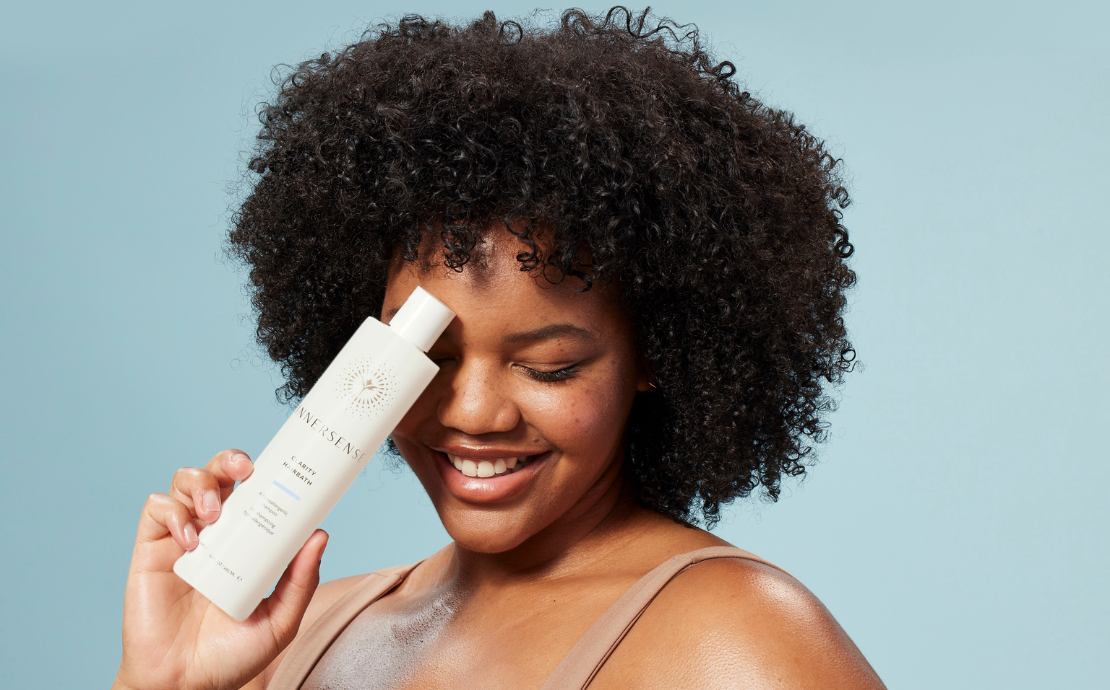
Hair can change in texture during pregnancy, and dry lengths often need extra care. This shampoo is designed to strengthen the look of dry, bleached or over-processed hair while gently cleansing the scalp.
Argan oil and the brand's Ocean Silk Technology nourish and hydrate from root to tip. Use Sachajuan Moisturising Shampoo as your regular wash, and browse our pregnancy safe hair care for conditioners and treatments.
Frequently Asked Questions
What skincare should I avoid when pregnant?
The ingredients most commonly advised against are retinoids, including retinol, hydroquinone and high-strength salicylic acid peels. Some essential oils are also flagged. Check labels and ask your GP, midwife or pharmacist about anything you are unsure of.
Can I use retinol while pregnant?
No. Retinoid creams, including products containing retinol, are not recommended during pregnancy. If retinol is part of your routine, pause it and ask your pharmacist about alternatives.
Can you use salicylic acid when pregnant?
High-strength salicylic acid peels are commonly advised against. Low-strength salicylic acid in a wash-off cleanser is a grey area and advice varies, so check with your pharmacist or GP before using it.
Can you use hyaluronic acid when pregnant?
Hyaluronic acid is generally considered a gentle hydrating ingredient to use during pregnancy. As with any product, patch test first and ask your pharmacist if you have concerns.
Do creams prevent stretch marks?
According to the NHS, there is very little evidence that creams or lotions prevent or remove stretch marks. Moisturising can still help skin feel more comfortable as it stretches.
Should I change my sunscreen when pregnant?
You do not have to, but daily SPF becomes more important because sunlight can make pregnancy-related dark patches more noticeable. Many people choose a mineral sunscreen if their skin feels more sensitive.
Can you use niacinamide when pregnant?
Niacinamide is not one of the ingredients commonly advised against in pregnancy, and many people keep using it. Because advice can depend on your own health, check with your midwife, GP or pharmacist first.
Is glycolic acid safe during pregnancy?
Low-strength glycolic acid in everyday products is often considered acceptable, while strong peels are best avoided. Advice varies, so ask your pharmacist or GP. Acids can also make skin more sun-sensitive, which can make dark patches more noticeable.
Can you use retinol while breastfeeding?
Advice varies by product, and many people choose to wait until they have stopped breastfeeding. Check with your GP, health visitor or pharmacist before restarting a retinoid, and avoid applying it anywhere your baby's skin may touch.
Shop Our Pregnancy-Safe Edit
A gentle cleanser, a hydrating serum, a comforting moisturiser and daily SPF cover most of what your skin needs during pregnancy. Keep it simple, check new ingredients with your GP, midwife or pharmacist, and browse our full pregnancy safe skincare collection when you are ready.


