





Why Your Hair Needs a Detox and How to Do It Right ?
You wash your hair regularly, use quality products, and still something feels off. Your strands look dull, feel heavy, or just refuse to behave no matter what you put in them. Sound familiar?
Here is the truth most people miss: your hair might not need more products. It needs fewer of them, at least temporarily. What your hair and scalp actually need is a proper detox.
A hair detox is the process of removing accumulated residue from your scalp and strands, including product buildup, hard water minerals, excess sebum, pollutants, and chemical residue. Think of it as a reset button for your entire hair system. And once you understand why it matters and how to do it correctly, you will wonder how you ever skipped it.
This guide walks you through everything: the science behind buildup, how to spot the signs, and a clear step-by-step detox process you can do at home.
What Is a Hair Detox?

A hair detox is a targeted, deep-cleansing treatment designed to remove substances that regular shampoo cannot fully clear. It goes beyond your weekly wash to strip away layers of:
-
Silicone and wax from styling products and conditioners
-
Chlorine and mineral deposits from tap or pool water
-
Excess sebum and dead skin cells on the scalp
-
Chemical residue from color treatments, relaxers, or perms
-
Environmental pollutants like smoke, dust, and smog
A hair detox is not a one-time miracle cure or a replacement for your regular hair care routine. It is a periodic reset, typically done once every four to eight weeks depending on your hair type and lifestyle.
7 Signs Your Hair Is Crying Out for a Detox
Your hair and scalp will show clear signals when buildup has become a problem. Look for these warning signs:
1. Persistent dullness despite conditioning
When your hair looks flat and lifeless even after deep conditioning, a film of residue is likely blocking moisture from penetrating the shaft.
2. Greasy roots hours after washing
If your scalp feels oily within hours of shampooing, sebum is mixing with product buildup and accelerating oil production.
3. Itchy, flaky scalp
Buildup clogs follicles and disrupts the scalp's natural microbiome, triggering irritation, dryness, and flaking that is often mistaken for dandruff.
4. Limp, heavy hair with no volume
Silicones and waxes coat individual strands, weighing them down and robbing your hair of natural bounce and body.
5. Products stop working the way they used to
When your favorite hair products suddenly seem ineffective, it usually means the layer of buildup is preventing active ingredients from reaching the hair and scalp.
6. Unusual hair shedding or thinning
Blocked follicles can disrupt the hair growth cycle and lead to increased shedding over time.
7. Color fading faster than expected
Hard water minerals and product residue interfere with color molecules, causing professional color to look brassy or washed out prematurely.
If you recognize two or more of these signs, your hair is ready for a detox.
Why Buildup Happens?
Understanding the root cause helps you prevent excessive buildup in the future.
Modern hair products are packed with ingredients designed to coat the hair shaft for smoothness, shine, and manageability. Dimethicone, cyclopentasiloxane, mineral oil, and beeswax are all common examples. While these ingredients deliver short-term results, they are not fully water-soluble. Standard shampoos, especially sulfate-free formulas, are not strong enough to fully break them down with each wash.
On the scalp side, sebaceous glands produce natural oil called sebum. In a healthy environment, sebum travels down the hair shaft to moisturize it. But when product residue, dead skin cells, and environmental particles accumulate on the scalp, they mix with sebum and form a dense layer over the follicle openings. This layer traps bacteria, slows cell turnover, and ultimately weakens the hair at the root.
Hard water compounds the problem further. Studies show that calcium and magnesium ions in hard water bind to hair proteins and cannot be removed by regular washing, contributing to breakage and dryness over time.
How to Detox Your Hair at Home?

You do not need to visit a salon to detox your hair effectively. Here is a complete, easy-to-follow method you can do at home.
Step 1: Choose the Right Clarifying Agent
Pick one of the following based on your hair type and sensitivity:
-
Clarifying shampoo: The most accessible option. Look for one containing sodium lauryl sulfate or apple cider vinegar. Use it in place of your regular shampoo once monthly.
-
Apple cider vinegar (ACV) rinse: Mix one part ACV with three parts water. Great for mild buildup and sensitive scalps. The acidity dissolves mineral deposits and restores scalp pH.
-
Baking soda paste: Mix two tablespoons of baking soda with water to form a paste. Apply to the scalp only. Use sparingly, as it can be drying if overused.
-
Bentonite clay mask: Ideal for natural or curly hair. Clay draws out impurities and excess sebum while adding slip to the detangling process.
-
Scalp scrub: A physical exfoliant containing sugar, sea salt, or salicylic acid manually removes dead skin cells and loosens buildup.
Step 2: Pre-Detox Oil Treatment (Optional but Recommended)
Before washing, apply a lightweight oil such as jojoba or argan oil to your dry hair and scalp. Massage it in gently for five minutes. This helps lift fat-soluble deposits and protects the hair during cleansing. Leave it on for 20 to 30 minutes before proceeding.
Step 3: Apply Your Chosen Clarifying Treatment
Wet your hair thoroughly with warm water. Apply your chosen clarifying agent from root to tip, focusing on the scalp. Massage using the pads of your fingers (not your nails) in circular motions for at least two to three minutes. This physical action is just as important as the product itself.
Leave the treatment on for the time recommended on the packaging or, for DIY methods, between three and ten minutes.
Step 4: Rinse Thoroughly with Cool Water
Rinse completely with lukewarm to cool water. Hot water can strip the scalp of beneficial natural oils and trigger excess sebum production. Make sure no clarifying product remains, as residue can cause irritation.
Step 5: Deep Condition Immediately
A detox removes buildup but also temporarily opens the hair cuticle, leaving strands vulnerable to dryness. Always follow a detox with a rich deep conditioning treatment or hair mask. Look for ingredients like shea butter, hydrolyzed keratin, panthenol, or hyaluronic acid.
Leave the conditioner on for 15 to 30 minutes, then rinse with cool water to seal the cuticle.
Step 6: Air Dry When Possible
Give your hair a break from heat after a detox session. Air drying reduces stress on temporarily vulnerable strands. If you must use heat, always apply a heat protectant first and keep the temperature below 180 degrees Celsius.
Also Read: How Can You Achieve Your Healthiest Hair and Scalp?
How Often Should You Detox Your Hair?
Frequency depends on your hair type, lifestyle, and product usage:
-
Fine or oily hair: Every three to four weeks
-
Normal or combination hair: Every four to six weeks
-
Thick, curly, or coily hair: Every six to eight weeks
-
Color-treated or chemically processed hair: Every six to eight weeks with a gentle clarifying shampoo only
Overdoing it is a real concern. Too-frequent clarifying removes beneficial natural oils and disrupts the scalp's moisture balance, leading to dryness, frizz, and increased breakage.
Post-Detox Hair Care: Maintaining the Results
A detox works best when supported by better habits going forward:
-
Reduce how many products you layer onto your hair at once
-
Switch to a shower filter if you live in a hard water area
-
Use a sulfate-free shampoo for regular washing and save clarifying formulas for detox days
-
Massage your scalp for two to three minutes during every wash to keep follicles clear
-
Rinse hair thoroughly after every swim in chlorinated or salt water
Natural Hair Detox Ingredients That Actually Work
If you prefer a clean, ingredient-focused approach, these natural options have solid evidence behind them:
Apple cider vinegar dissolves alkaline mineral buildup and restores the scalp's slightly acidic pH (between 4.5 and 5.5), which keeps the cuticle smooth and bacteria in check.
Aloe vera gel soothes the scalp, reduces inflammation caused by clogged follicles, and contains proteolytic enzymes that gently remove dead skin cells.
Tea tree oil has natural antimicrobial properties that help reduce the bacteria and fungi that thrive in buildup-heavy environments. Always dilute it in a carrier oil before applying to the scalp.
Rosemary extract supports circulation and has shown in preliminary research to promote hair growth in follicles that have been sluggish due to scalp congestion.
Also Read: Nutrients for your hair & health
Frequently Asked Questions About Hair Detox
1. Can I detox my hair if it is color-treated?
Yes, but with caution. Avoid harsh clarifying shampoos with high sulfate concentrations, as these can strip color. Opt for a gentle apple cider vinegar rinse or a color-safe clarifying formula. Always deep condition afterward and wait at least two weeks after coloring before your first detox.
2. Will a hair detox cause more hair loss?
A slight increase in shedding immediately after a detox is normal and temporary. The process loosens strands that were already in the shedding phase but held in place by buildup. If shedding continues beyond a few days, consult a dermatologist or trichologist.
3. Is a scalp detox the same as a hair detox?
They are related but not identical. A scalp detox focuses specifically on unclogging follicles, reducing excess sebum, and balancing the scalp microbiome. A hair detox addresses both the scalp and the length of the hair. Most comprehensive treatments do both at the same time.
4. How do I know if my hair detox is working?
Within one to two washes after a detox, you should notice increased volume, lighter-feeling strands, improved product absorption, and a cleaner scalp. If your hair feels squeaky or unusually dry immediately after, that is normal and should resolve after deep conditioning.
5. Can I detox my hair without products using only natural ingredients?
Absolutely. An apple cider vinegar rinse followed by an aloe vera and rosemary scalp massage is an effective, fully natural detox protocol. For more stubborn buildup, a bentonite clay mask or a baking soda pre-wash treatment can be added. Natural methods tend to be gentler and are ideal for sensitive scalps or those trying to simplify their hair care routine.
Your hair absorbs a lot: pollution, hard water, heat, and layers of products, day after day. A regular detox is not a luxury or a trend. It is a fundamental part of a healthy hair care routine that most people skip simply because they do not know they need it.
Start with one detox this month. Pay attention to how your scalp feels, how your hair behaves, and how your products perform in the weeks that follow. The difference is often dramatic and lasting.
Clean hair is not just about washing more. It is about washing smarter.
Ready to Start Your Hair Detox? Shop Clean Hair Care at Amelia Nour
We are a UK-based clean beauty destination that has been curating the best in conscious beauty for over a decade. Their carefully selected edit of brands means you never have to compromise between performance and clean ingredients, which is exactly what your hair deserves during and after a detox.
For hair care specifically, Amelia Nour stocks some of the most trusted names in scalp health and natural hair wellness:
-
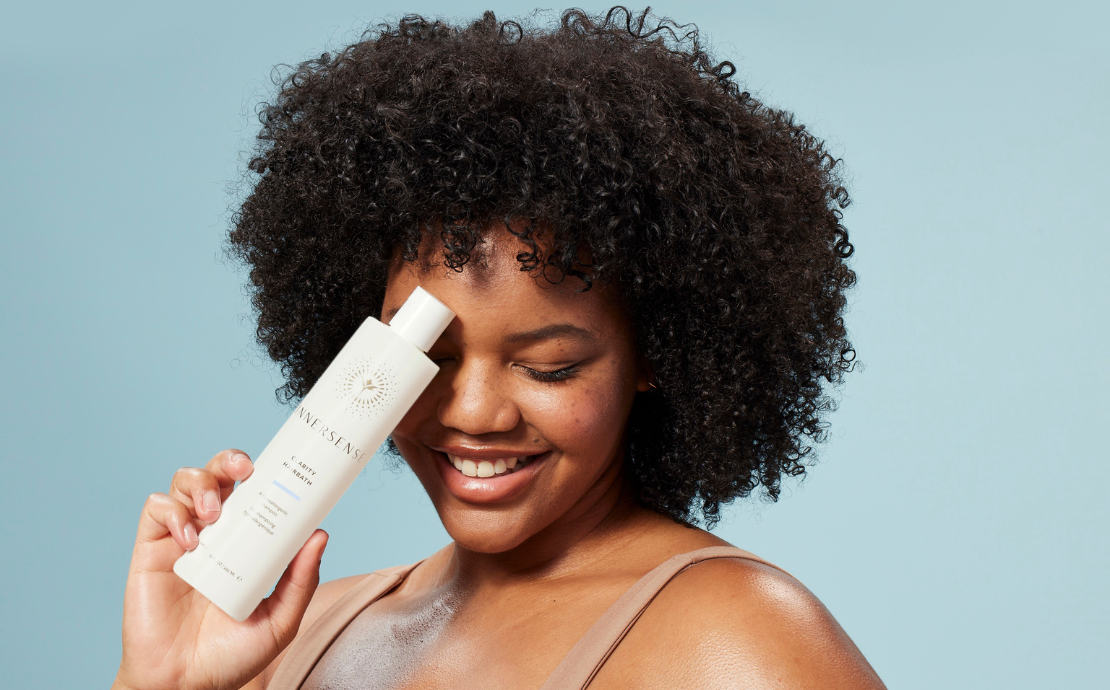
Innersense Organic Beauty crafts USDA-certified organic hair care that cleanses deeply without stripping, making their clarifying products ideal for a gentle yet effective detox routine.
-
Monpure specialises in science-backed scalp health, with targeted treatments designed to nourish follicles, reduce buildup, and support healthy hair growth from the root up.
Every brand stocked at Amelia Nour is chosen with intention: no greenwashing, no harmful fillers, no compromise. Whether you are detoxing for the first time or looking to overhaul your entire hair care shelf, their team and curation make the process straightforward and trustworthy.


