






What to Expect During a Hair Detox: Stages, Side Effects and Timeline
Here is what to expect during a hair detox: after the first wash your hair may feel squeaky clean or dry, then your roots may feel oilier and your texture may look different for a week or so. By weeks three to four, most people notice a calmer scalp and lighter, shinier hair. Most of these changes are temporary while your scalp and hair adjust.
New to detoxing? Start with our main guide on how to do a hair detox at home, which covers the signs you need one, the step-by-step method and the best products. This post picks up after that first wash.
It is common to finish a detox wash and wonder if you have done something wrong. Your scalp feels tight, your curls look puffier than usual, or straight hair feels oddly coarse. You were expecting a glow-up and got a bad hair day instead.
The truth is that a detox is a process rather than an instant transformation. Below you will find the four stages, a week-by-week timeline, the side effects that are normal (and the ones that are not) and what to use at each point.
What Happens to Your Hair During a Detox?
Your scalp is skin. Like the skin on your face, it collects a mix of dead cells, oil, pollution and product residue over time, which can leave it feeling congested, itchy or greasy.
In short, what does detoxing your hair do? It lifts scalp build-up, styling residue and hard water minerals so your hair can take on moisture again. A detox shampoo, a scalp scrub or a detox hair mask are the usual tools, and any of them counts as a hair detox treatment.
The lengths carry their own load: layers of silicone, wax and polymers from conditioners and styling products. These coatings can make hair look shiny while feeling stiff or heavy, and they can stop moisture and treatments from getting in.
A clarifying shampoo, apple cider vinegar rinse or clay mask lifts those layers away. Without its usual coating, the hair shaft feels different to the touch, and many people find their scalp feels oilier or drier for a few days while it settles. That adjustment period is what most people are not prepared for.
How Long Does a Hair Detox Take?
The treatment itself takes under an hour. Settling in takes longer: most people see a real difference within one to two weeks, with the full results showing by weeks three to four. Hair type and how much buildup you started with both affect the timeline.
If you are still working out how to get rid of product build-up in hair, start with one clarifying wash, follow with a rich mask, then judge the result over the next two weeks using the stages below.
| Stage | When | What you may notice | What to do |
|---|---|---|---|
| 1. First wash | Day 1 | Squeaky, dry or straw-like hair, slight tingle | Deep condition straight away |
| 2. Awkward phase | Days 2 to 7 | Oilier roots, mild itch, frizz, texture changes | Keep products minimal, use dry shampoo |
| 3. Reset point | Days 7 to 14 | Scalp stays fresh for longer, more volume | Reintroduce one light product at a time |
| 4. Full results | Weeks 3 to 4 | Lighter, shinier hair and a calmer scalp | Settle into a gentle routine |
What to Expect During a Hair Detox: The 4 Stages
Stage 1: The First Wash (Day 1)
What happens: the clarifying treatment starts lifting surface buildup. You may notice your shampoo lathers differently from usual. Little foam often means there is a lot of residue to cut through, which is why some people wash twice on detox day.
What you will feel: your scalp may tingle slightly, especially with an apple cider vinegar rinse or a product containing salicylic acid or menthol. A mild tingle that fades quickly is common. Burning or stinging is not, so rinse the product off straight away.
What you will see: straight after rinsing, hair can feel squeaky clean, almost too clean. Some people describe it as straw-like. This is the hair without its usual coating of product.
What to do: condition generously, straight away. Do not skip this step, as freshly clarified hair needs moisture to feel soft again.
Stage 2: The Awkward Phase (Days 2 to 7)
What happens: this is the stage most people mistake for a sign that the detox has failed or damaged their hair. It usually has not. Many people notice oilier roots for a few days after a detox, while the scalp settles into its new routine.
What you will feel: oil at the roots, a little itching, and hair that feels different in texture, whether frizzier, drier at the ends or lacking its usual definition.
What you will see: curly and wavy hair often shows more texture than expected. Curls that were weighed down by product can re-emerge, sometimes looser or tighter than you are used to. Straight hair may look limp before it regains volume.
What to do: resist the urge to pile products back on. Use a light leave-in only and skip heavy silicones for now. If your roots get greasy, a talc-free dry shampoo can stretch the time between washes while things settle.
Stage 3: The Reset Point (Days 7 to 14)
What happens: by the end of the first week or into the second, most people notice a genuine shift. Oiliness starts to settle and your natural texture begins to show without months of product masking it.
What you will feel: your scalp stays fresh for longer between washes. Any itching usually eases, and the dryness along the lengths fades as you keep conditioning.
What you will see: more natural volume and movement. Colour-treated hair may look brighter once the dulling film has gone, and hair often styles more easily.
What to do: now is a good time to reassess your products. Reintroduce one at a time and watch how your hair responds. Lighter formulas without heavy silicones or mineral oil are the safest choice for now.
Stage 4: Full Results (Weeks 3 to 4)
What happens: by the third or fourth week, your hair has had time to settle. It behaves according to its true texture rather than a product-coated version of it.
What you will see: hair looks shinier, with a natural gloss rather than the slick shine of silicone. Volume is better, the scalp has less flaking and less oil, and the products you use now soak in rather than sitting on top.
What you will feel: lighter, softer strands, a comfortable scalp and a routine that works the way it should.
What to Use at Each Stage of a Hair Detox
You do not need a shelf full of new products. These four picks match the four stages, and each is described from the brand's own product details.
1. Innersense Hydrating Hair Mask (Stage 1)
After your first detox wash, Innersense Hydrating Hair Mask puts moisture back into freshly clarified hair. It is a rich treatment made for dry, coarse and damaged hair, with flax seed, shea butter, coconut oil, tamanu oil and quinoa.
How to use: apply to the mid-lengths and ends for five to ten minutes, or leave it on overnight for a deeper treatment, as the brand suggests.
2. Innersense Refresh Dry Shampoo (Stage 2)
For oily roots in the awkward phase, Innersense Refresh Dry Shampoo absorbs excess oil and lifts flat roots without a full wash. It uses witch hazel and tapioca starch, is talc-free and has a foam-to-powder texture that the brand says leaves no chalky residue.
How to use: apply to the roots on oily days, massage in and style. Use it to stretch time between washes rather than to replace washing altogether.
3. Innersense Fragrance Free Sweet Spirit Leave-In (Stage 3)
When you start reintroducing products, a light leave-in is the safest first step. Fragrance Free Sweet Spirit Leave-In Conditioner gives lightweight hydration with aloe vera, tamanu oil and honey, and is designed with sensitive scalps in mind.
How to use: mist onto wet hair, comb through and style as usual.
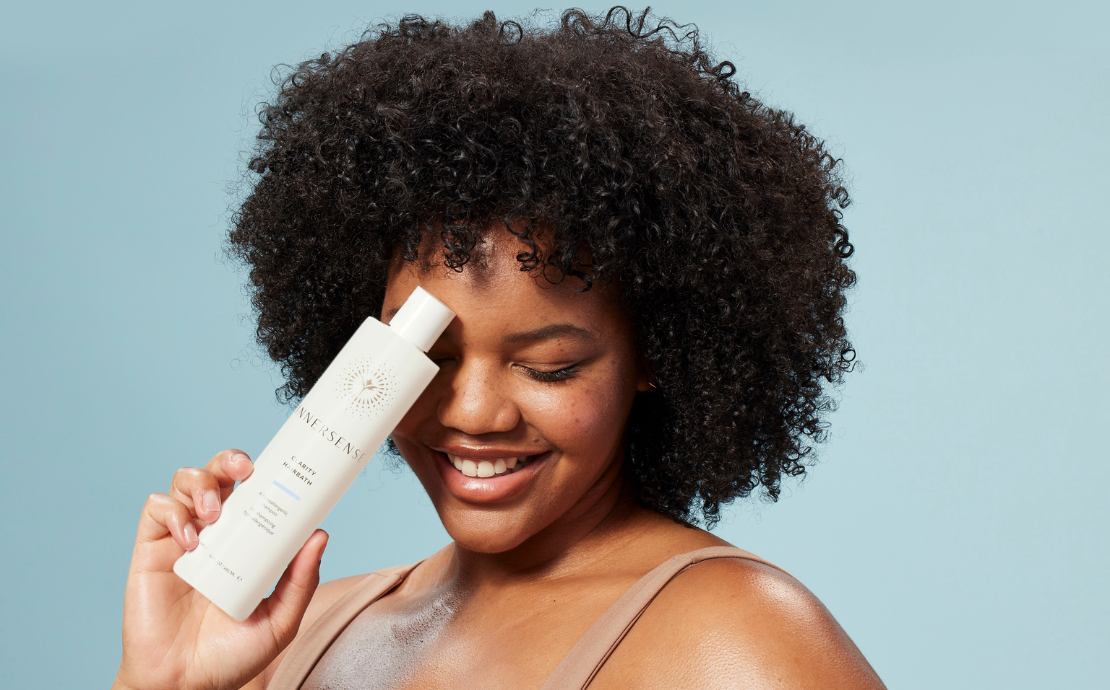
4. Innersense Clarity Hairbath (Stage 4)
To keep your results, switch back to a gentle everyday wash. Innersense Clarity Hairbath is a hypoallergenic shampoo made for sensitive scalps, with Japanese swertia and comfrey leaf to ease irritation and chufa milk extract for moisture.
How to use: the brand says it is suitable for daily use. Save stronger clarifying products for your next detox in four to eight weeks.
For more options, browse our scalp care collection and hair masks and scalp scrubs.
Hair Detox Side Effects and What They Mean
More hair in the plughole
Seeing more hair than usual after a long, thorough detox wash is common. It is normal to lose around 50 to 100 hairs a day, and hairs that have already shed can stay tangled in your hair until a vigorous wash and massage rinse them out together.
Can detoxing cause hair loss? No. A detox works on the surface of the scalp and hair, so the extra strands are usually ones that had already shed. If shedding is heavy or carries on for weeks, speak to your GP or a trichologist.
A detox should not cause hair loss. If shedding is heavy, comes with bald patches or carries on for more than a couple of weeks, see your GP or a trichologist. Our main guide explains more about whether a hair detox can cause hair loss.
Oilier roots
Greasy roots in the first week are one of the most common side effects. Avoid washing more often with harsh products, which can make the scalp feel worse, and lean on a dry shampoo until things settle.
Dry or frizzy ends
Clarifying removes unwanted buildup and some of the natural oil that keeps lengths soft. Condition after every detox wash and consider a weekly mask from our dry hair treatments for the first two weeks.
Scalp sensitivity or mild redness
Mild sensitivity can happen, particularly after a scrub or an acidic rinse, and should fade within a day or two. If redness or irritation lasts, stop the product, switch to something gentler and speak to a pharmacist.
Hair that feels different in texture
This surprises people most. Without the coating, you may find your real texture differs from what you thought. Curls that seemed relaxed may spring back, and straight hair may show a slight wave.
When to stop and get advice
Stop the detox and seek advice from a GP or pharmacist if you notice burning, swelling, a rash, broken or weeping skin, or sudden heavy shedding. These are not normal side effects and are worth getting checked.
Detox Period for Natural Hair
Natural, afro and tightly coiled hair tends to be drier, so the detox period can feel more dramatic. Expect more shrinkage and a drier feel after the first wash, and allow several wash days for your curl pattern to settle.
Gentler methods usually work best. Choose a clay mask or a mild clarifying wash over harsh shampoos, focus the product on your scalp, and follow with a deep conditioner and leave-in every time. Many people with natural hair space detoxes six to eight weeks apart. Our afro and textured hair collection has moisture-rich options for afterwards.
How to Support Your Hair Through Every Stage
How you care for your hair around the detox matters as much as the treatment itself.
- Cut back on heat. Your hair is adjusting, so keep hot tools to a minimum for the first two weeks.
- Massage your scalp. A few minutes of gentle fingertip massage each day feels good and helps spread natural oils along the hair. A tool such as the Hair Gain Destressing Scalp Massager can help lift dead skin and product buildup in the shower.
- Sleep on satin. A satin pillowcase reduces friction on hair that may be drier or more fragile than usual.
- Be patient with your pattern. If your curls or waves look different, give them at least three wash cycles before judging.
- Choose a gentle shampoo. If your scalp tends to itch or get oily, our guide to shampoos for an itchy, flaky or oily scalp will help you pick one for everyday use.
For longer-term scalp care, read how to achieve your healthiest hair and scalp, and if volume is your goal, see our tips for thicker, fuller hair.
Signs Your Detox Is Working
Knowing the difference between a temporary adjustment and a real problem comes down to spotting the positive signs:
- Your scalp stays fresh for a day or two longer between washes.
- Products soak in instead of sitting on the surface.
- Hair feels lighter when you run your fingers through it.
- Natural shine returns without serums or glossing treatments.
- Any itching you had before is noticeably reduced.
- Colour-treated hair looks fresher and brighter.
Not sure if your hair is back on track? Our guide on how to know if your hair is healthy covers the signs to look for.
Frequently Asked Questions
Is it normal for hair to feel worse before it feels better during a detox?
Yes. The first week often brings dry lengths, oilier roots or a change in texture while your scalp and hair adjust. Most people see a clear improvement by the end of week two.
How long does a hair detox take to show results?
Most people see a real difference within one to two weeks of their first detox wash. Full results, including a calmer scalp and your natural texture, usually show within three to four weeks. Hair type and the amount of buildup both affect the timeline.
What are the side effects of a hair detox?
The most common are dry or straw-like hair after the first wash, oilier roots for a few days, mild itching and a change in texture. These usually pass within two weeks. Burning, a rash or heavy shedding are not normal, so stop and speak to a GP or pharmacist.
Should I detox again if I do not see results straight away?
No. Repeating clarifying treatments in quick succession can over-strip the hair and cause more dryness and breakage. Give it at least four weeks, then repeat only if your hair still feels coated.
Can a hair detox change my curl pattern permanently?
No. A detox removes the coating that was weighing your curls down. Any change you see is your natural pattern showing through, not a permanent change caused by the detox.
What should I avoid putting on my hair after a detox?
For the first week, avoid heavy silicones, mineral oil and wax-based styling products, which are among the main causes of buildup. Stick to water-based leave-ins, lightweight hair oils and gentle formulas.
How often should you detox your hair?
Most people do well with a detox every two to four weeks. Dry, curly or colour-treated hair usually needs it less often, around every six to eight weeks, while heavy product users and hard water areas may need it more often.
Does scalp detox help hair growth?
There is no strong evidence that a scalp detox makes hair grow faster. What it can do is clear oil and buildup so your scalp feels comfortable and your hair looks lighter and fuller at the root. For thinning or shedding, speak to your GP or a trichologist.
Find Gentle Haircare for After Your Detox
Now you know what to expect during a hair detox, the key is a simple, gentle routine to follow it. Trust the timeline, support your hair through each stage, and by week four you should have a scalp that feels comfortable and hair that reflects the care you put into it.
Explore our scalp care products, browse our natural shampoos for everyday washing, or shop the full Innersense haircare range.


