





Best Bond Repair Treatments for Damaged Hair: What They Do and Which to Choose
The best bond repair treatment is the one that matches the damage you actually have. If bleach, colour or heat has left your hair snapping, a bond-focused conditioner or mask is the step to add. If your hair is simply dry, a rich hydrating mask will do more for you. This guide explains the difference, then shares the bond-care products we reach for most in the shop.
What Is a Bond Repair Treatment?
Every strand of hair is held together by bonds inside the cortex. The strongest are disulphide bonds, which give hair its shape and strength. Bleaching, permanent colour, relaxers and very hot tools can break some of these bonds, which is why over-processed hair can feel stretchy when wet and brittle when dry.
A bond repair treatment is a product formulated to care for that inner structure rather than just coat the surface. Depending on the brand, that might mean ceramides that mimic the hair's own lipids, amino acids, or plant proteins and peptides. Bond repair products come as pre-shampoo treatments, conditioners, masks and leave-ins, so they slot into a routine you already have.
Bond Repair vs Protein Treatments vs Hair Masks
These three get mixed up all the time, and choosing the wrong one is the most common reason people feel a treatment "did nothing".
|
Treatment |
What it focuses on |
Best for |
How it feels after
|
|---|---|---|---|
|
Bond repair |
The inner structure of the strand |
Bleached, coloured, chemically straightened or heat-styled hair that snaps |
Stronger, less stretchy, easier to detangle |
|
Protein treatment |
Filling gaps along the cuticle with proteins |
Porous, gummy or limp hair |
Firmer, more structured |
|
Hydrating mask |
Moisture and softness |
Dry, coarse or frizzy hair |
Softer, smoother, shinier |
Many people need more than one. A good rule: use a bond-focused product as your main weekly treatment if your hair is processed, and keep a hydrating mask for the weeks your ends feel rough.
Signs Your Hair Needs Bond Repair
-
Hair stretches and does not spring back when wet
-
You see short broken pieces on your brush or around your parting
-
Ends split quickly even after a trim
-
Colour fades fast and hair feels rough after lightening
-
Hair tangles easily and feels like straw when dry
If you also notice sudden shedding or patches of thinning, that is a different issue from breakage, and it is worth speaking to a GP or a trichologist.
The Best Bond Repair Treatments at Amelia Nour
1. Monpure Ceramide Complex Bond Repair Conditioner
Our pick for processed hair. This Monpure conditioner is formulated with hair-identical ceramides, amino acids and argan oil, and the brand designed it to help repair bonds, reduce the look of breakage and keep frizz down. It works as a daily conditioner, so there is no extra step to remember.
Key ingredients: ceramides, amino acids, argan oil
Best for: bleached, highlighted and heat-styled hair
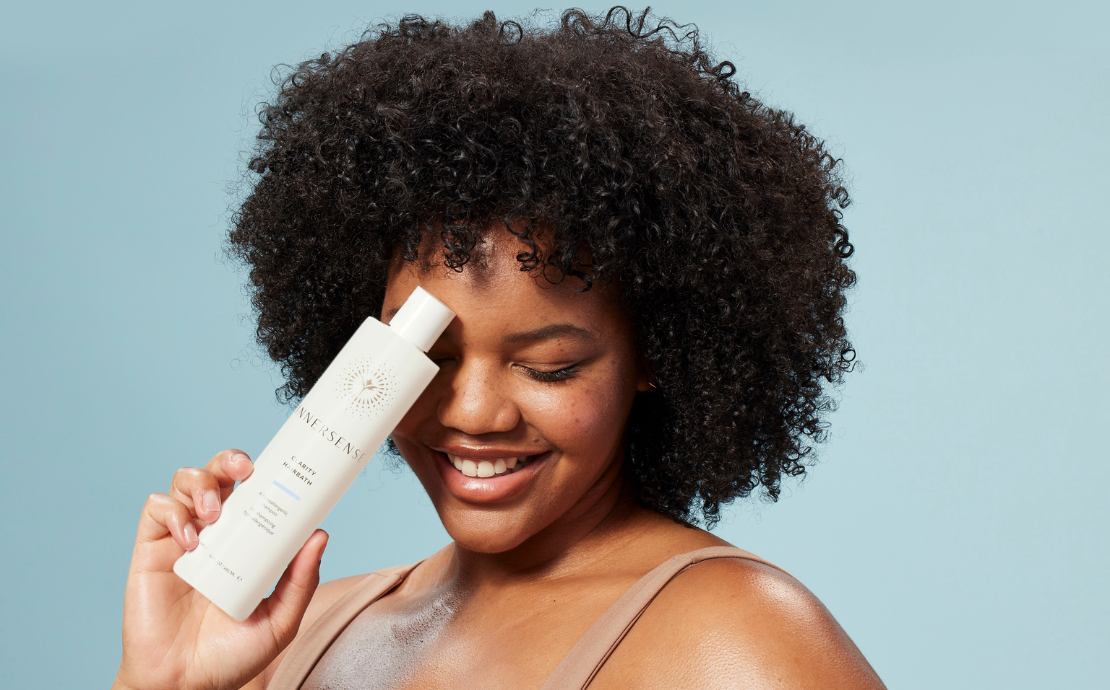
2. Innersense Repair Mask
A weekly mask built around hydrolysed moringa seed protein, vitamin C and tamanu oil. Innersense describes it as helping to rebuild bonds and replace lost protein, and it leaves lengths noticeably softer. The Repair Mask comes in a travel size too, which is a good way to try it first.
Key ingredients: hydrolysed moringa protein, vitamin C, tamanu oil
Best for: fragile, over-processed hair that also feels dry
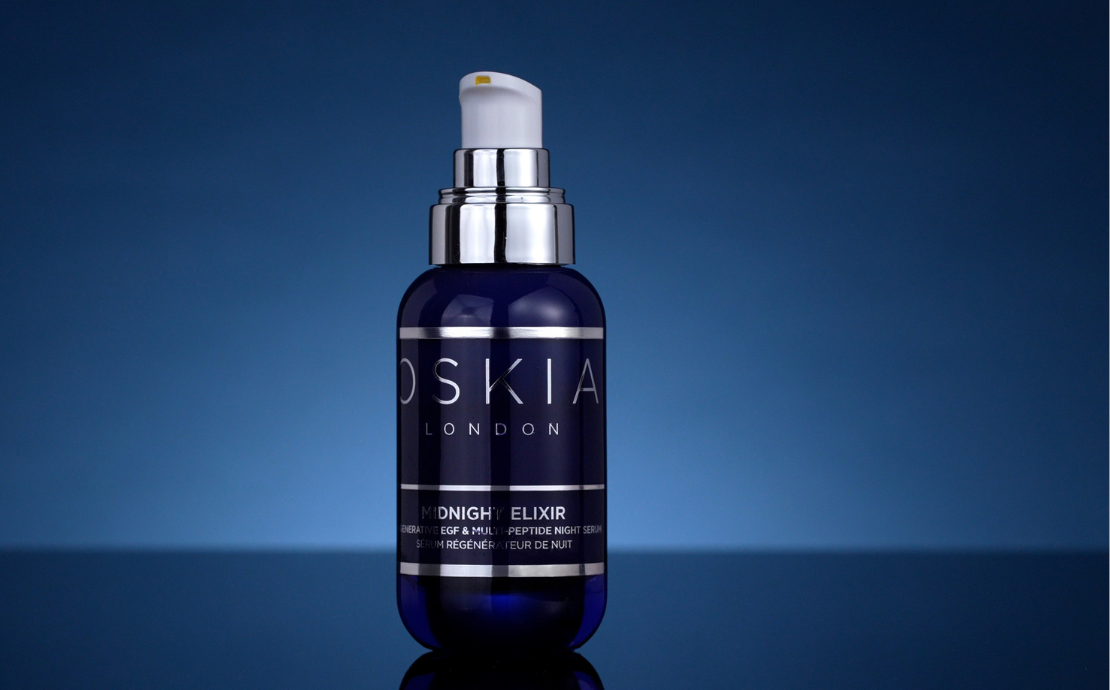
3. OSKIA Super Mane Rosemary and Pea Peptide Hair Mask
For hair that needs strength and moisture in one step. The Super Mane mask pairs pea peptides with rosemary oil, argan oil, pro-vitamin B5 and betaine. It suits people who colour regularly and want a richer mask than a conditioner.
Key ingredients: pea peptides, rosemary oil, argan oil, pro-vitamin B5
Best for: coloured hair with dry, rough ends
4. Innersense Sweet Spirit Leave-In Conditioner
A leave-in with rice and soy proteins, honey and rosemary, tamanu and lavender oils. Innersense says it strengthens and helps detangle, which matters because a lot of breakage happens during brushing. Spray or smooth through damp lengths before styling. Try the Sweet Spirit Leave-In or the mini.
Key ingredients: rice and soy proteins, honey, tamanu oil
Best for: daily protection for hair that snaps when brushed
5. Monpure Ultralight Healthy Hair Oil
A finishing oil with vegan keratin, CoQ10, wheat germ, castor and argan oils. It adds slip and shine and the brand includes heat protection, so it is a sensible last step for anyone who blow-dries. Use two or three drops of the Ultralight Healthy Hair Oil on mid-lengths and ends.
Key ingredients: vegan keratin, wheat germ oil, argan oil
Best for: finishing and protecting heat-styled hair
Quick comparison
|
Product |
Type |
Use |
Hair type
|
|---|---|---|---|
|
Monpure Ceramide Complex Bond Repair Conditioner |
Conditioner |
Every wash |
Bleached, coloured |
|
Innersense Repair Mask |
Mask |
Weekly |
Fragile and dry |
|
OSKIA Super Mane Mask |
Mask |
Weekly |
Coloured, rough ends |
|
Innersense Sweet Spirit Leave-In |
Leave-in |
Daily |
Breaks when brushed |
|
Monpure Ultralight Healthy Hair Oil |
Oil |
Daily, before heat |
Heat-styled |
How to Use a Bond Repair Treatment at Home
-
Shampoo gently. Use a mild shampoo and focus on the scalp. Let the lather run through the lengths rather than scrubbing them.
-
Squeeze out water. Treatments work better on damp hair than soaking wet hair.
-
Apply to mid-lengths and ends. That is where the damage sits. Work it through with your fingers or a wide-tooth comb.
-
Leave it on. Follow the timing on the pack. For masks, five to ten minutes is typical. A warm towel helps.
-
Rinse with cool water. Then use a leave-in and a heat protector before styling.
-
Cut back on the cause. Lower the heat on your tools, space out lightening appointments and sleep on a satin pillowcase to cut friction.
For more everyday habits, our guide to hair repair tips for dry and damaged hair covers trims, brushing and wash routines.
How Often Should You Use Bond Repair?
|
Hair condition |
Bond-focused conditioner |
Bond or repair mask
|
|---|---|---|
|
Recently bleached or heavily lightened |
Every wash |
Once or twice a week |
|
Regularly coloured |
Every wash |
Once a week |
|
Heat-styled, not coloured |
Two or three washes a week |
Every other week |
|
Mostly healthy, occasional styling |
Optional |
Once a month |
Give any new routine four to six weeks before you judge it. Hair does not change overnight, and the lengths you have now took years to grow.
Building Your Routine
Bond repair works best as part of a calm, consistent routine rather than a one-off rescue. Start with one bond-focused product, keep your styling gentle, and add a hydrating mask if your ends still feel dry. You can browse all our picks for split ends, dry hair and hair masks and scrubs. Not sure which suits your hair? Ask us, or pop into the shop in Market Harborough and we will talk it through.
Frequently Asked Questions
What does a bond repair treatment do?
A bond repair treatment is formulated to care for the inner structure of the hair strand, which can be weakened by bleach, colour, relaxers and heat. Depending on the brand, it uses ingredients such as ceramides, amino acids or plant proteins to help hair feel stronger and less prone to snapping.
Is bond repair the same as a protein treatment?
No. Protein treatments mainly fill gaps along the outer cuticle, while bond repair products focus on the structure inside the strand. Processed hair often benefits from a bond-focused product, while limp or very porous hair may need protein.
Can you use bond repair on healthy hair?
Yes, though you will notice less difference. If you heat style or colour occasionally, a bond-focused conditioner a couple of times a week is a sensible way to keep lengths in good condition.
How long does a bond repair treatment take to work?
Most people notice softer, easier-to-detangle hair after the first few uses. For breakage to settle, give it four to six weeks of regular use alongside gentler styling.
Should I use bond repair before or after shampoo?
It depends on the product. Some are pre-shampoo treatments, while conditioners and masks like the ones in this guide go on after shampoo. Always follow the instructions on the pack.
Is a bond repair shampoo enough on its own?
A shampoo is on your hair for a short time, so it works best alongside a conditioner or mask from a similar routine. Pair it with a leave-in and a heat protector for the best results.
Does bond repair help split ends?
Once an end has split, only a trim will remove it. Bond-focused products can help hair feel stronger and less likely to break further, which means fewer new split ends over time.


