





8 Best Face Masks for Every Skin Concern, From Dry to Dull
The best face mask for dry skin is a rich, nourishing formula with plant oils and hydrating ingredients that you can leave on for ten minutes or even overnight. For dull or tired skin, choose a brightening or gently resurfacing mask, and for stressed or sensitive skin, a soothing mask that supports the skin barrier.
Below you will find a quick table to match your concern to the right type of mask, direct answers to the questions we are asked most, and eight face masks we rate. To browse the full edit as you read, explore our face masks and exfoliators.
Which Face Mask for Which Skin Concern?
Choose by concern rather than skin type alone, as most of us have more than one. Use this table as a starting point, then read more about each pick below.
| Skin concern | Mask type | Our pick |
|---|---|---|
| Dry skin | Rich, nourishing hydrating mask | Irene Forte Pistachio Face Mask |
| Dull skin | Brightening vitamin C mask | Evolve Miracle Vitamin C Mask |
| Tired skin | Gentle resurfacing mask | OSKIA Renaissance Mask |
| Uneven texture | Overnight lactic acid peel | OSKIA Liquid Mask |
| Congestion and pores | Clay mask | Goldfaden MD Facial Detox |
| Oily or combination skin | AHA and BHA exfoliating mask | Irene Forte Lavender Tetra-Acid Mask |
| Rough, flat-looking skin | Bio-retinol mask | Evolve Bio-Retinol Gold Face Mask |
| Sensitive or stressed skin | Soothing, barrier-supporting mask | Korres Smart Yoghurt SuperDose Face Mask |
What Is the Best Face Mask for Dry Skin?
Look for plant oils, butters and humectants such as hyaluronic acid, pro-vitamin B5 or glycerin. A formula you can leave on longer, or sleep in, gives dry skin more time to soak up the moisture.
Avoid clay and strong acid masks on dry patches, as they can leave skin feeling tighter. Our pick, and the best hydrating face mask in this edit, is the Irene Forte Pistachio Face Mask at number one below.
To get the most from a face mask for dry skin, apply a generous layer to clean skin and leave it on for the full time. In winter, when central heating dries the air, a hydrating mask two or three times a week can make a real difference to comfort.
If your skin feels tight but not flaky, it may be thirsty rather than dry. Our guide to dehydrated skin and how it differs from dry skin explains the difference, and our products for dehydrated skin can help.
What Is the Best Face Mask for Stressed Skin?
The best face mask for stressed skin is a soothing, barrier-supporting formula with calming ingredients such as oat, aloe or probiotics. Skip acids, scrubs and strong clays until your skin feels settled again.
Our pick is the Korres Smart Yoghurt Probiotic SuperDose Face Mask at number eight below. For more calming options, browse our gentle skincare for sensitive skin.
What Is the Best Mask for Tired Skin?
Tired skin usually looks flat and dull, so the best mask gently lifts away dull surface cells and brings back radiance. A gentle resurfacing mask such as the OSKIA Renaissance Mask, or a vitamin C mask, works well.
If your skin is tired and thirsty at the same time, a cooling hydrating face mask is the kinder choice. You will find more radiance boosters in our products for dullness and uneven skin tone.
8 Best Face Masks for Every Skin Concern
Eight masks from our edit, each matched to a different skin need.
1. Irene Forte Pistachio Face Mask
Best for: dry, thirsty skin. This award-winning mask works for 10 minutes, overnight or on a flight, and the brand says the Irene Forte Pistachio Face Mask is clinically proven to plump skin instantly and hydrate for over 12 hours.
Key ingredients: an omega-rich oil blend featuring Sicilian pistachio, with pumpkin seed and avocado oils, olive oil and rice fractions, pro-vitamin B5 and aloe leaf juice. How to use: smooth over clean skin and leave for 10 minutes, or overnight for extra comfort.
2. Evolve Organic Beauty Miracle Vitamin C Mask

Best for: dull skin. If your skin looks tired or lacklustre, the Evolve Miracle Vitamin C Mask is designed to refresh, brighten and even the look of your skin tone.
Key ingredients: stable vitamin C, kaolin clay to gently cleanse pores, and organic turmeric extract with papaya enzymes for a smoother, more luminous look. How to use: a lovely pick-me-up before an event; apply to clean skin, leave on as directed, then rinse.
3. OSKIA Renaissance Mask

Best for: tired skin that needs a radiance boost. The OSKIA Renaissance Mask is a textured exfoliating mask that removes dull, tired surface cells without harsh abrasion.
Key features: OSKIA's signature blend of nutrients, with organic rose, passion fruit and chamomile aromas. How to use: massage into clean skin; the pink formula turns white when it is applied and activated properly. Rinse, then moisturise.
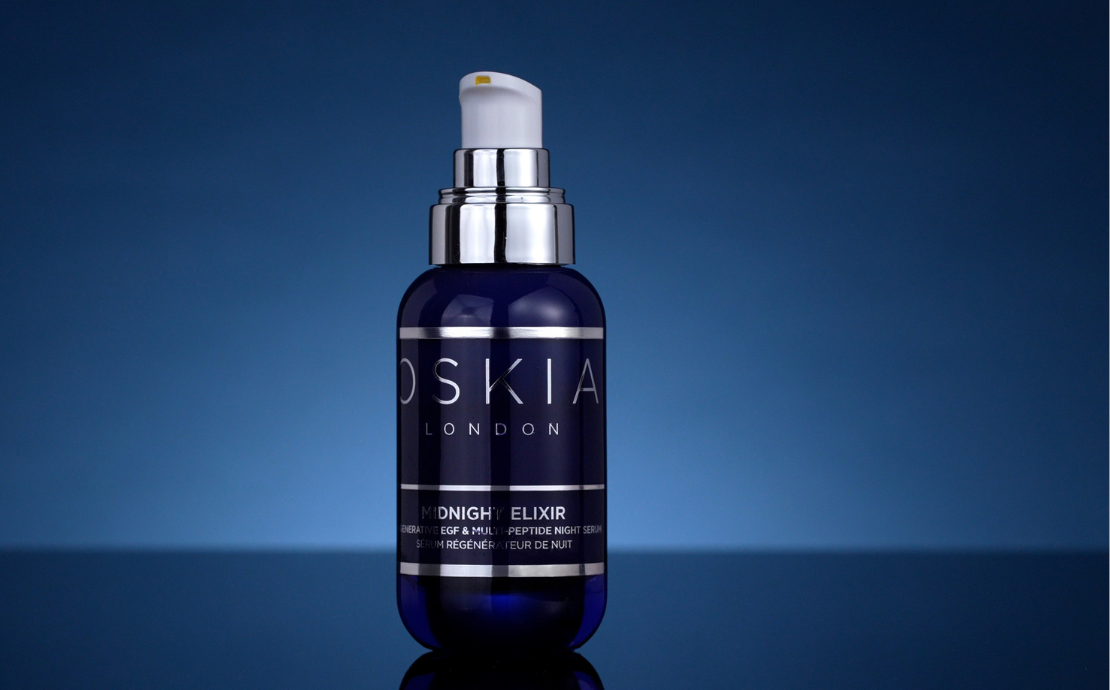
4. OSKIA Liquid Mask Lactic Acid Micro-Peel
Best for: rough or uneven texture. The OSKIA Liquid Mask is an overnight peel designed to resurface, hydrate and renew while you sleep, for smoother, brighter skin by morning.
Key ingredients: 10% lactic acid for gentle exfoliation, mixed molecular weight hyaluronic acid to hydrate and niacinamide for uneven tone and pores. How to use: apply in the evening, once or twice a week, and always wear SPF the next morning.
5. Goldfaden MD Facial Detox

Best for: congestion and visible pores. Goldfaden MD Facial Detox is a purifying mask designed to draw out dirt, excess oil and pore-clogging debris from blemish-prone skin without over-drying.
Key ingredients: oil-absorbing clays with soothing and hydrating ingredients to calm and rebalance. How to use: apply once a week to the whole face or just the T-zone, then rinse and moisturise.
6. Irene Forte Lavender Tetra-Acid Mask
Best for: oily or combination skin with dullness and congestion. The Irene Forte Lavender Tetra-Acid Mask is an exfoliating treatment designed to resurface and clarify, leaving skin smoother and more even-looking.
Key ingredients: a blend of alpha and beta hydroxy acids, with lavender extract to soothe and balance. How to use: use once a week in the evening, and avoid pairing it with another acid mask in the same week.
7. Evolve Organic Beauty Bio-Retinol Gold Face Mask

Best for: skin that wants to look smoother, plumper and more luminous. The Evolve Bio-Retinol Gold Face Mask is designed to boost radiance and refine texture, and is a gentle option if you are curious about retinol alternatives.
Key ingredients: bidens pilosa, a natural bio-retinol alternative, with organic argan oil, antioxidants and mineral pigments for its golden glow. How to use: start once a week and follow with SPF the next morning.
8. Korres Smart Yoghurt Probiotic SuperDose Face Mask
Best for: sensitive, stressed or tired-looking skin. The Korres Smart Yoghurt Probiotic SuperDose Face Mask is a velvety mask that delivers an instant cooling recharge to dehydrated, dull and tired-looking skin while helping to strengthen the skin barrier.
Key ingredients: Real Greek Yoghurt, oat milk, marine algae nutrients and pre- and probiotic extracts, with oak and tea leaf compounds to soothe. How to use: apply whenever your skin feels reactive or worn out.
What Should You Look for in a Face Mask?
What does a face mask do that a serum cannot? It delivers a concentrated dose of one benefit, such as hydration or brightening, in a short session. Start with your main concern, then look at the ingredients. For hydration, look for humectants that draw in water and soothing plant extracts. For brightening, vitamin C and gentle fruit acids help lift dullness.
For clarifying, clays and purifying botanicals draw out impurities. For smoothing, mild exfoliating acids refine the surface. Whatever you choose, a nourishing base helps keep the skin comfortable rather than stripped.
The Main Types of Face Mask Explained
-
Hydrating and moisturising face masks add water and comfort, and suit almost everyone.
- Brightening masks use vitamin C or gentle acids to lift dullness.
- Exfoliating masks smooth texture with mild acids or fine particles.
- Clay masks draw out impurities and suit congested or oily areas.
- Soothing masks calm sensitivity and redness.
Most routines are happy with two or three of these, rotated through the month depending on how your skin feels.
How Often Should You Use a Face Mask?
For most people, once or twice a week is ideal. Hydrating and soothing masks are gentle enough to use more often if your skin would like them.
Exfoliating and clarifying masks are best kept to once or twice a week in total, to protect your skin barrier. Ease off if your skin starts to feel sensitive, and patch test any new mask first.
If you already use an exfoliating toner or serum, keep acid masks to once a week and choose hydrating or soothing masks the rest of the time.
How to Apply a Face Mask
- Start with clean skin so the mask can work properly.
- Smooth an even layer over your face and neck, avoiding the eye area.
- Leave it on for the time given on the pack. As a rule of thumb for how long to leave a face mask on, most rinse-off masks need 10 to 20 minutes.
- Rinse with lukewarm water, or gently remove with a soft, damp cloth.
- Follow with your serum and moisturiser to seal in the benefits.
Frequently Asked Questions
Which face mask is best for dull skin?
A brightening mask with vitamin C, or a gentle resurfacing mask, is ideal for dullness and is usually the best face mask for glowing skin. The Evolve Miracle Vitamin C Mask and the OSKIA Renaissance Mask are both lovely choices for a fresher, more radiant look.
Do face masks work for dullness?
Yes, as a regular boost. Brightening and resurfacing masks lift away dull surface cells so skin looks fresher straight away. For lasting results, pair them with daily SPF and a consistent routine.
What is the best face mask for sensitive skin?
Choose a soothing, barrier-supporting mask with calming ingredients and no acids or scrubs. Patch test first on a small area, and keep exfoliating masks for when your skin feels settled.
Can I use more than one face mask at a time?
Yes, this is known as multi-masking. You might use a clay mask on your oilier T-zone and a hydrating mask on drier cheeks at the same time. Our combination skin care guide explains how to balance both zones.
Do I moisturise after a face mask?
Yes. Always follow a mask with your usual serum and moisturiser to lock in hydration and keep your skin comfortable.
Should I use a face mask in the morning or evening?
Either works. Hydrating and brightening masks are lovely in the morning before make-up, while exfoliating and bio-retinol masks are best in the evening, followed by SPF the next day.
Do you wash your face after a face mask?
Rinse off wash-off masks with lukewarm water, but there is no need to cleanse again. Leave-on and overnight masks are designed to stay on, so simply wash your face as normal the next morning.
Building Your Weekly Masking Ritual
Start with the concern that bothers you most, whether that is the best face mask for dry skin or a quick brightening boost, and give it a few weeks of regular use. For more ways to bring back your glow, see our skincare products for smooth, glowing skin.
When you are ready, explore our full range of natural face masks and exfoliators, or browse the wider skincare edit.


